Climate guide
Hardiness Zones, Explained: What Your Zone Tells You and What It Doesn't
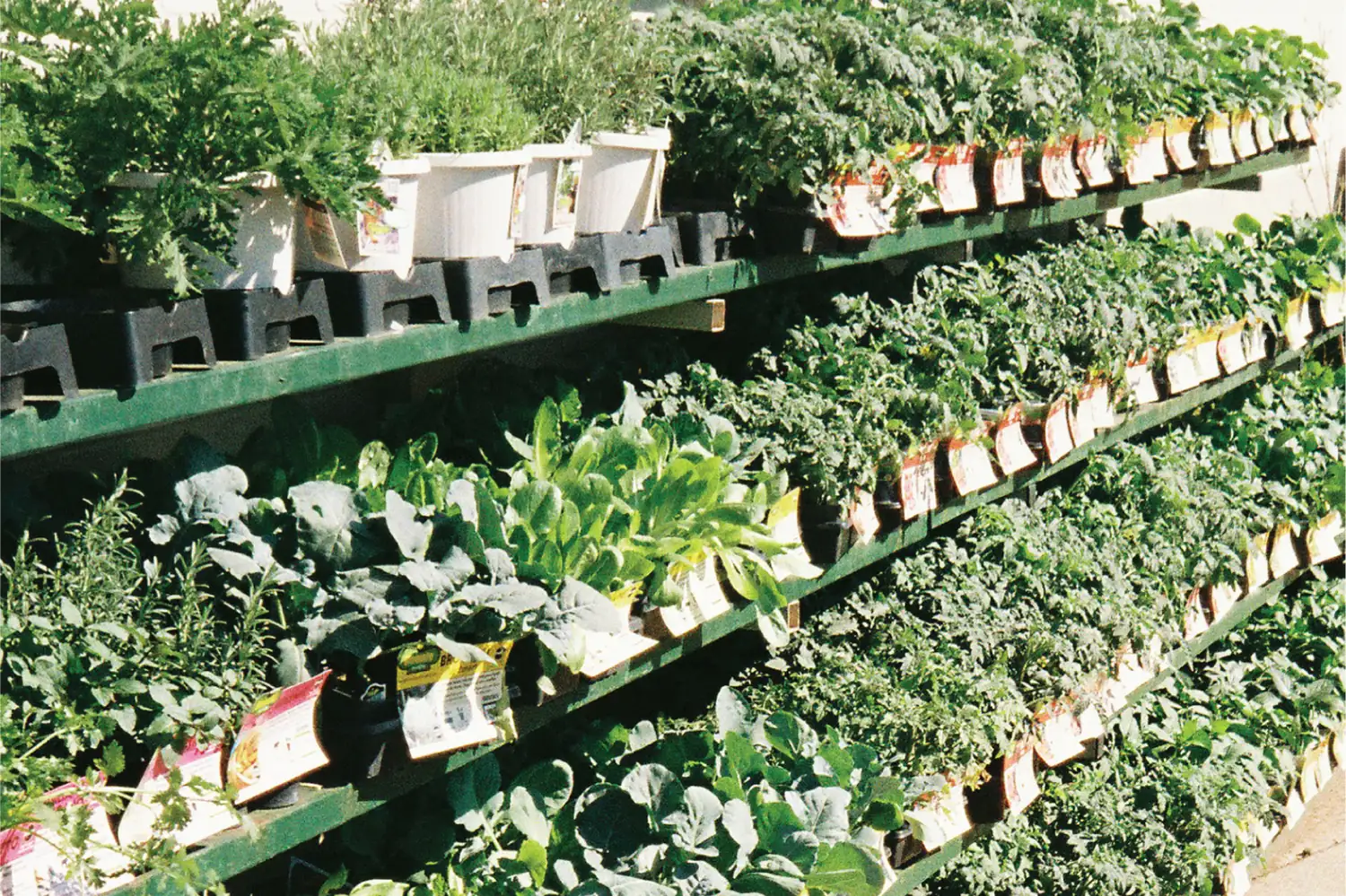
Seattle and Austin are in the same hardiness zone. Both sit in 9a on the current USDA map, and they're about as different as two gardens get. One has cool, gray summers where a tomato wants the sunniest wall you've got. The other has summers hot enough that tomatoes stop setting fruit.
So a zone clearly isn't describing a whole climate, and it was never meant to. It answers one specific question, and it answers it well.
The short answer: a hardiness zone tells you how cold the coldest night of an average winter gets where you live. That's what you need to know to choose perennials, shrubs and fruit trees that will survive your winters. It doesn't tell you your frost dates, how long your growing season is, how hot your summers get, or when to plant vegetables.
What is a hardiness zone?
The USDA takes the coldest temperature of each winter at a location, averages those lows over 30 years, and sorts the result into bands 10 degrees wide. Each band is a zone, numbered 1 to 13 from coldest to warmest, and each zone is split into a 5-degree "a" half and "b" half.
So zone 6a means the coldest night of a typical winter lands somewhere between -10 and -5F. Zone 9a means it lands between 20 and 25F.
That's the whole definition. One number, built from the single coldest night of the year.
The current map came out in 2023 and uses weather records from 1991 through 2020. About half the country moved half a zone warmer than on the 2012 map, so if your zone isn't the one you remember, that's probably why.
One note if you garden in Canada: Canada publishes its own zone map, built from a longer list of climate measurements. A Canadian zone number and a USDA zone number aren't interchangeable, so check which one a plant tag is using.
What a hardiness zone is good for
A zone has one job, and it's winter survival for plants that have to live through winter.
That's what the "Zones 5 to 9" on a plant tag means. The lower number is the coldest winter the plant is expected to survive. The upper number is a looser guide to where it gets too warm for the plant to do well.
So your zone matters when you're buying anything that stays in the ground for more than one year: fruit trees, berry bushes, grapes, asparagus crowns, rhubarb, perennial herbs like rosemary and lavender. A lot of that gets planted in fall, which makes this a good time of year to know your number.
Two things are worth keeping in mind when you use it.
- It's an average. Some winters will be colder than your zone suggests. A plant rated right at the edge of your zone can come through most years and be lost in a harsh one.
- Your yard has warmer and colder spots. A plant that's borderline for your zone has a better chance against a south-facing wall than in a low corner where cold air settles. (More on the microclimates in your own yard.)
What a hardiness zone doesn't tell you
Quite a lot, because all of it falls outside that one cold night.
- Your frost dates, or how long your season is. Two gardens in the same zone can have first frosts weeks apart. (And a frost date is a window to begin with.)
- How hot your summers get. This is the Seattle and Austin problem. Plenty of plants that sail through a zone 9 winter can't take a zone 9 summer in Texas, and where summer is the hard season, the whole planting year runs differently.
- How long the cold lasts. A zone records the single coldest night. How many hours of cold a winter adds up to is a separate measurement called chill, and it determines whether a fruit tree blooms and fruits.
- Rain, humidity and snow. Juneau, Boston and Santa Fe all have zone 7a neighborhoods. Snow cover alone changes what survives, since a steady blanket of snow insulates plants that would die in the same cold on bare ground.
Can you use your zone to know when to plant vegetables?
Not very well, and the reason is simple. Most vegetables are annuals. They go in after winter and they're finished before the next one, so the coldest night of the year never touches them.
What decides when a tomato or a row of lettuce can go in is everything a zone leaves out: when your soil warms up, when your frosts end and begin, how hot your summer gets, and how quickly fall cools down.
Planting charts organized by zone are using the zone as shorthand for all of that. It's a reasonable shortcut, and in a lot of places it's roughly right. But one zone 9 chart can't be right for both Seattle and Austin, and if a by-zone chart has ever seemed weeks off for your garden, this is usually why.
Where Verna fits, and where it doesn't
Winter survival comes up in Verna in one place. When you add a perennial that may not make it through winters as cold as yours, Verna says so. It's a rough heads-up and nothing more: you may have a greenhouse, a sheltered wall, or a plan to bring the plant inside, so the decision stays with you. For a plant that's borderline, your zone and the plant's tag are still the thing to check.
For timing, Verna combines climate data for your location with what it knows about each plant, so what you see is specific to where you are and what you're growing.
What it can't do is see your yard. If you know your garden runs warmer or colder than the area around it, you can adjust Verna's dates to match, and the warm wall and the cold corner stay your own knowledge to use.
The short version
Look up your zone, and use it when you're choosing anything that has to live through winter. For everything else, including when to plant your vegetables, your zone is the wrong tool, and your local climate is the thing to go by.
Quick questions
What hardiness zone am I in?
Enter your ZIP code on the USDA Plant Hardiness Zone Map at planthardiness.ars.usda.gov and it'll give you your zone, down to the "a" or "b" half. If you garden in Canada, use Natural Resources Canada's map, since the two systems are built differently and the numbers don't match up.
Did my hardiness zone change?
It may have. The USDA released a new map in 2023, based on weather records from 1991 through 2020, and about half the country moved half a zone warmer than on the 2012 map. Part of that is warmer winters and part is better data, with more weather stations and finer mapping.
Does my hardiness zone tell me when to plant?
No. A zone measures the coldest night of an average winter, which matters for perennials, shrubs and trees that have to survive it. Planting time for vegetables depends on your frost dates, your soil temperature and your summer heat, and gardens in the same zone can differ on all three.
Guidance for where you actually garden
Verna combines climate data for your location with what it knows about each plant.


Get garden notes in your inbox
Short seasonal notes from Verna on what to plant and do. No spam, and you can unsubscribe anytime.
You're subscribed. See you in the garden.