Plant spotlight
Chill Hours: Why Some Fruit Needs a Cold Winter
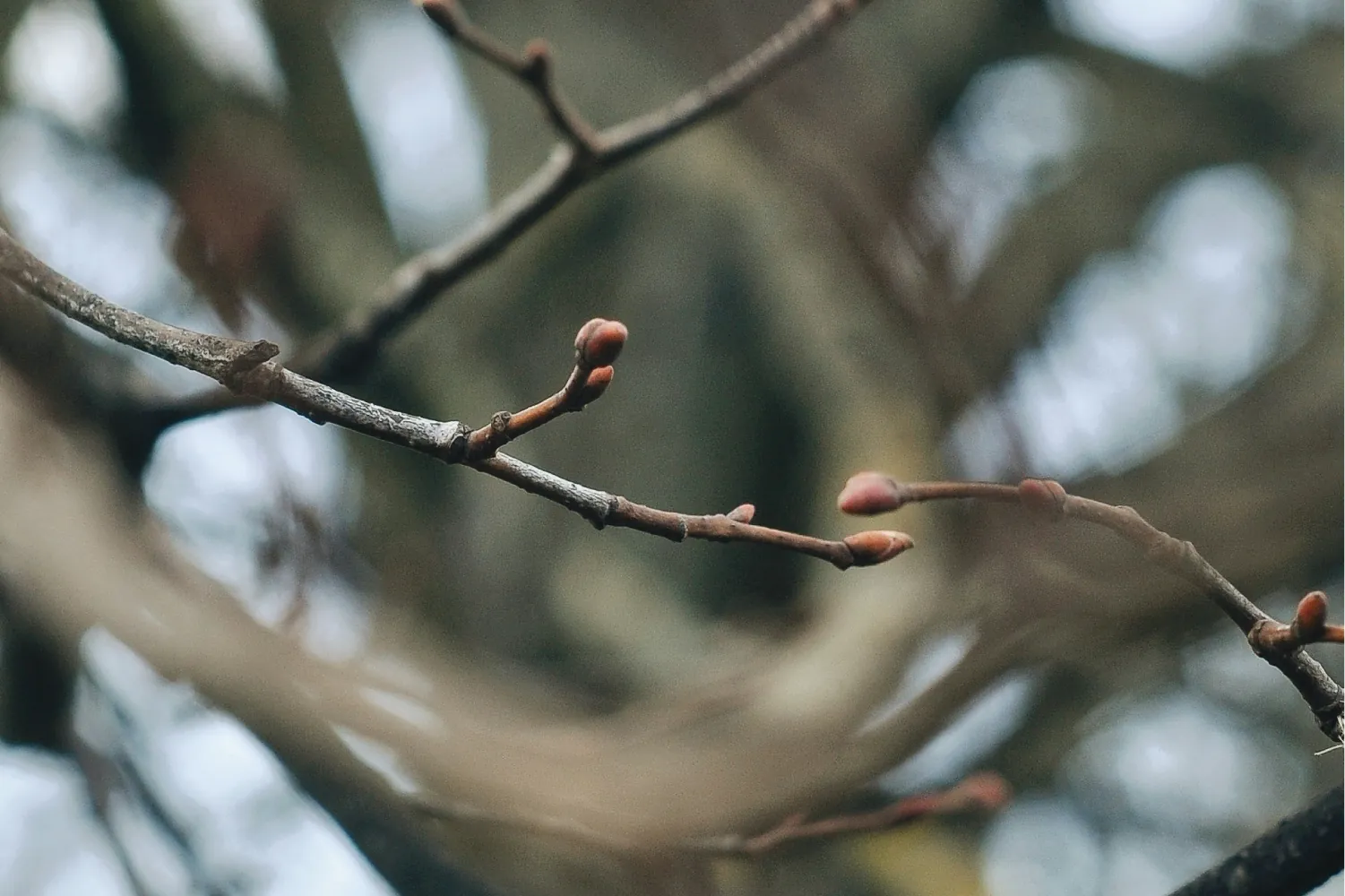
Every so often someone plants a peach tree, takes great care to get it established, and waits. It leafs out late, then blooms a handful of flowers spread over a month. It sets a few fruit, or none at all. The next year it does the same thing again. Nothing's wrong with the tree, and nothing's wrong with the care. It just didn't get enough winter.
Plenty of fruit trees and bushes need a stretch of cold before they'll bloom properly, and it's measured in something called chill hours. If you're thinking about planting fruit this fall, it's the most useful number to know before you buy.
The short answer: Chill hours are the hours a dormant fruit plant spends in cool weather over winter, roughly between freezing and 45F. Apples, peaches, cherries, pears and most blueberries need hundreds of them to bloom and fruit well. Citrus, figs and pomegranates need little or none. Match the variety's chill requirement to your winters before you plant.
What chill hours are, and why fruit trees count them
In fall, deciduous fruit trees and bushes set next year's buds and go dormant. During dormancy, the plant tracks how much time it's spending in cold temperatures. That prevents the buds it set in fall from opening just because a week in December turns mild.
What it's counting is called chill hours: broadly, every hour it spends between freezing and about 45F, accumulating over winter. Hours below freezing don't count, since a tree frozen solid isn't doing much of anything. That's the number printed on a nursery tag, and it's the number you'll need if you want to select the right plant for your location.
Warm regions often use a second, more complex method, called the Utah model, where an hour in the mid-40s is worth more than a colder one and anything above about 65F subtracts from the accumulated chill hours. It exists because in a mild winter a warm afternoon really can reverse the effects of a cold night.
Once a plant has accumulated its chill hours, spring warmth takes over. Hardneck garlic does the same thing: it won't split into cloves until it's had its cold period.
What happens when a fruit tree doesn't get enough chill
A plant that didn't accumulate enough hours doesn't die, and it doesn't look sick. It just doesn't do what it's supposed to do.
- It leafs out late and unevenly, sometimes with bare stretches along the branches.
- It blooms over weeks instead of all at once. That stretched-out bloom matters more than it sounds, because the bees, and the partner tree many fruits need for pollination, have to overlap with the flowers.
- Flower buds drop without opening.
- It sets little fruit, and it tends to do the same thing every mild winter.
There's also a problem that runs the other way. Plant a low-chill variety somewhere with a real winter and it accumulates its hours early. Then a warm spell in late winter wakes it up, it blooms, and the next hard frost kills the flowers. Low spots where cold air settles make that worse. (Here's how to spot the cold pockets in your own yard.) So both too little chill and chill that's met too early can mean little to no fruit.
How many chill hours do common fruits need?
Chill requirements vary by variety as much as by fruit, which is why it's worth checking. These are typical ranges.
- Apples: most need somewhere around 500 to 1,000 hours or more. A few low-chill varieties, like Anna and Dorsett Golden, need only a few hundred.
- Peaches and nectarines: the widest range of all, from around 150 hours for varieties bred in Florida to 1,000 or more for northern ones.
- Cherries: generally high, often 700 hours or more for sweet cherries.
- Pears: European pears tend to need more than Asian pears.
- Blueberries: northern highbush types need 800 or more. Rabbiteye sit in the middle, and southern highbush only need a few hundred.
- Figs and pomegranates: very little, often a hundred or two.
- Citrus and avocado: none. They're evergreen and don't go dormant this way.
Nurseries in mild-winter regions usually print the chill requirement right on the tag. Catalogs in cold regions often leave it off, because almost everything they sell gets plenty.
Why your hardiness zone doesn't tell you this
A hardiness zone is built from the average coldest night of the winter. It's a good answer to whether a plant will survive where you live. Chill hours answer a different question: whether it will bloom and fruit.
Two gardens with the same coldest night can have very different winters. One gets a few hard freezes between long mild stretches. The other stays steadily cool for weeks. Coastal gardens are the classic case: mild enough to grow almost anything, and never cold for long. So a tree can be perfectly hardy where you live and still come up short on chill. Zones are useful for what they measure, and chill is a separate metric entirely.
How to choose fruit trees for a mild winter
If you garden somewhere mild, chill is the first thing to check, before flavor and size.
- Check your local extension service. In fruit-growing regions they often publish local chill data and lists of varieties that do well. That local number is what everything else here depends on.
- Find the chill number on the label, and choose one comfortably under what your area usually gets. Mild winters vary, and a variety right at your limit may not produce fruit some years.
- Look for the low-chill versions. Most popular fruits have them: peaches, apples, plums, and southern highbush and rabbiteye blueberries.
- Lean into the fruits that don't need it. Citrus, figs and pomegranates, and in the mildest places, avocado.
(If you garden somewhere hot, the rest of your year runs differently too.)
And for a cold winter
Somewhere with a long, reliable winter, chill is rarely the problem. The risk is a variety that needs too little of it and wakes up early. Buy varieties bred for your region, be wary of bargain trees shipped from warm-climate nurseries, and plant somewhere that isn't the low corner where the frost settles.
Where Verna fits, and where it doesn't
When you add a fruit plant, Verna combines the climate where you garden with what that plant needs. If your location may not reach the winter chill it needs to fruit reliably, Verna tells you before you've dug a hole, and suggests considering a variety better suited to your winters. And once it's planted, Verna keeps track of where the plant is in its life, including the years before it starts to fruit.
What it can't do is promise this winter. Chill varies from year to year, and a run of mild winters can shortchange a tree that usually gets enough. Verna also doesn't know that your peach sits in the low spot where frost collects. The tag, your local extension list, and your own read on your own yard all still count.
Quick questions
What does "chill hours" mean on a fruit tree tag?
It's the amount of winter cold that variety needs before it will bloom and fruit well, counted in hours spent roughly between freezing and 45F. A tag reading "400 chill hours" means the tree wants about 400 of those hours over winter. Pick a variety that needs fewer hours than your area reliably gets.
How do I find out how many chill hours I get?
Your local extension service is the best source. In fruit-growing regions they usually publish local chill data, and some track it through the winter. Nurseries in mild-winter areas know their local numbers too. And when you add a fruit plant to Verna, it flags whether your location may fall short of what that plant needs.
Can a fruit tree get too many chill hours?
Extra chill doesn't hurt a tree. The risk in a cold climate runs the other way: a low-chill variety meets its requirement early, blooms during a warm spell in late winter, and then loses its flowers to the next frost.
Know before you plant a fruit tree
Verna checks whether your winters are likely to give each fruit plant the chill it needs.


Get garden notes in your inbox
Short seasonal notes from Verna on what to plant and do. No spam, and you can unsubscribe anytime.
You're subscribed. See you in the garden.