Garden skills
Mulch: The One Habit That Saves the Most Work
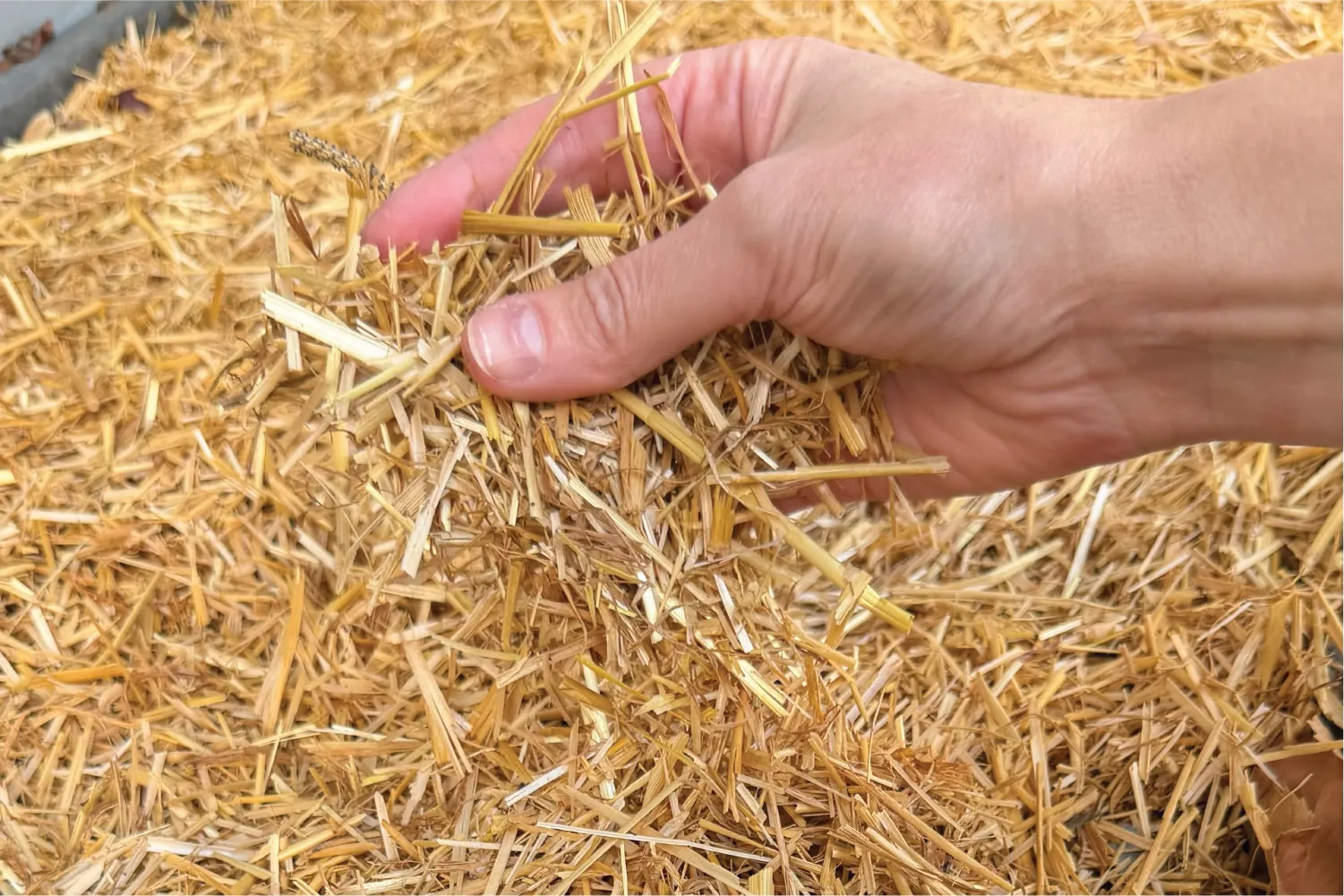
Most of what wears a gardener out comes from the same few jobs: watering on a hot evening, weeds that are back by the weekend, soil baked into a crust. A few inches of straw or shredded leaves spread over the bed cuts into all three, and you only have to do it once or twice a year.
Mulch isn't a glamorous thing to do for a vegetable garden. But it's hard to think of anything else that pays you back every week of the season. And in fall, the best kind drops out of the trees for free.
The short answer: mulch is a layer of straw, shredded leaves or similar material spread over bare soil. In summer, 2 to 3 in holds moisture, keeps roots cool and blocks weeds. In winter, 3 to 6 in over garlic and strawberries keeps the ground from freezing and thawing. Keep it a few inches off stems.
What does mulch actually do for a vegetable garden?
Bare soil is exposed to everything, and a layer of mulch takes most of that on instead. Here's what you get for it:
- Less watering. Mulch shades the soil and slows evaporation, so the water you give stays where the roots can reach it.
- Steadier moisture. The swing from bone dry to soaked is what's behind a lot of blossom end rot and cracked tomatoes, and mulch can reduce that swing.
- Fewer weeds. A lot of weed seed needs light to sprout. Cover the soil and much of it never gets the signal, and what does come up pulls out easily.
- Cooler roots. Lettuce, cabbage and broccoli all prefer cool soil, and mulch can keep the surface noticeably cooler on a hot afternoon.
- Better soil. Rain stops beating the surface into a crust, less soil splashes up onto the lower leaves, and organic mulch feeds the soil as it breaks down.
What's the best mulch for a vegetable garden?
Whatever you can get plenty of, cheaply. A few good ones:
- Shredded leaves. They're free, and they're some of the best mulch there is. Shred them first, since whole leaves can mat into a wet sheet that keeps water and air out. Running over a pile with the mower does the job.
- Straw. It's light, clean and easy to spread. Make sure it's straw and not hay, which is usually full of seed.
- Grass clippings. Use thin layers, let them dry first, and skip them if the lawn has been treated with weed killer.
- Compost. It's better at feeding than at covering, and weeds grow in it happily. It works well as a thin layer under something else.
- Wood chips. They're slow to break down and awkward to move in a bed you replant every year, so they're better on paths and around fruit bushes and perennials.
How deep should mulch be, and how close to the plant?
For most vegetables, 2 to 3 in is plenty. Thicker isn't better here: too much can stay wet and hold water away from the soil beneath it.
Keep it 2 to 3 in back from the stem. Mulch piled against a stem holds moisture right where rot starts, so leave a small gap all the way around.
Timing matters as well. Wait until direct-sown seedlings are a few inches tall, since seed can't push through a layer of straw. And hold off on warm-season plants like tomatoes and peppers until the soil has warmed up, because mulch keeps cold soil cold just as well as it keeps warm soil cool.
Why winter mulch is a different job
Summer mulch keeps the soil from drying out. Winter mulch has a stranger job, and it's easy to get wrong: it isn't there to keep the plant warm. It's there to keep the ground steady.
Soil that freezes and thaws over and over shifts as it goes, and that movement can push shallow plants right out of the bed. It's called frost heaving, and it's why garlic and strawberries are the classic winter mulch plants. A thick layer holds the temperature of the ground steady through the swings.
- Garlic and shallots: 3 to 6 in of straw or shredded leaves over the bed, the deeper end for colder winters, once the ground has cooled but before it freezes hard. (More on planting garlic.)
- Strawberries: 3 to 4 in of straw over the crowns after frost has arrived.
- Raspberries: 4 to 6 in around the base of the canes where winters are severe.
- Tender perennials: deep mulch can carry a borderline plant like an artichoke through the winter. (Here's what can stay outside.)
- Roots you're leaving in the ground: a thick layer over carrots, parsnips and leeks can keep the soil workable for a few more weeks of digging.
The most common mistake is doing it too early. Mulch that goes on while the ground is still warm can make a cozy home for mice and voles. So wait for the ground to cool. Empty beds are a different story, and the fall cleanup post covers those.
Then in spring, pull it back from anything that's waking up, so the shoots aren't stuck under it and the soil can warm.
Where winters are mild, you can mostly skip all of this. Mulch there is a summer tool, and it'll earn its keep then. It also won't save a plant on a frosty night, since it only protects what's under it. For that, you need a cover.
Where Verna fits, and where it doesn't
Verna's care steps include mulching where a plant calls for it, and they're written for that plant: 2 to 3 in kept clear of the stem for a tomato, 4 to 6 in over a bed of hardneck garlic, straw over strawberry crowns once frost has arrived. They come up as each plant gets there, wherever you garden. And its watering nudges look at the plant and the weather where you are.
It doesn't know what's lying around your yard, though. Straw, leaves or clippings, that's your call.
The short version
Use what you can get plenty of. In summer, spread 2 to 3 in and keep it a little back from the stems. Go deeper over garlic and strawberries in winter, but only once the ground has cooled. Shred your leaves first.
There aren't many jobs in the garden that keep paying you back after you've walked away. This is one of them.
Quick questions
Should I mulch my vegetable garden in the fall?
Yes, if you've got garlic, strawberries or roots staying in the ground, or bare soil you'd like to protect. Wait until the ground has cooled before you mulch anything you're overwintering, and keep it 3 to 6 in deep. Empty beds can be covered sooner.
Can I use fallen leaves as mulch?
Yes, and they're one of the best options. Shred them first, because whole leaves can mat together and keep water and air out. A pass or two with the mower over a pile usually does it.
Does mulch attract slugs or mice?
It can. Slugs like the damp, so go lighter where they're a problem in wet weather. Mice and voles look for shelter in fall, which is one more reason to wait until the ground has cooled before you put down a winter layer.
Guidance written for each plant
Verna keeps track of where each plant is in its life, and what each one needs now.


Get garden notes in your inbox
Short seasonal notes from Verna on what to plant and do. No spam, and you can unsubscribe anytime.
You're subscribed. See you in the garden.