Garden skills
Putting the Garden to Bed: What to Clear and What to Leave
Fall cleanup has two schools of thought. One pulls everything, rakes the beds bare and leaves the garden looking like a fresh page. The other has heard that insects spend the winter in the stems and leaves the whole thing standing until April.
Each of them is right about some plants. The honest answer to "should I clean up the garden this fall?" is that it depends on the plant, and once you know which plants go in which pile, the job gets a lot smaller.
The short answer: clear out anything diseased and bag it rather than composting it. Pull spent tomatoes, squash and cucumbers, pull brassicas roots and all, and clean the supports before you store them. Leave bean and pea roots in the soil, seedheads standing for the birds, and perennials like asparagus alone until they brown. Then cover the bare soil.
Should you clean up the garden in fall, or leave it?
There are really only two reasons to clear something out in fall, and one big reason to leave it.
The reasons to clear it are pests and disease. Plenty of both spend the winter in exactly what's left behind: fungal spores on old tomato leaves, insect eggs on squash vines, soilborne disease in brassica roots. Pull that material now and there's less of it waiting for next year's plants.
The reason to leave it is everything else living in your garden. Seedheads feed birds through the cold months, hollow stems shelter small native bees, and dead foliage keeps the soil covered. Clear a healthy bed down to bare dirt and you've taken all of that away for no real gain.
So a good fall cleanup is a walk down the beds, deciding plant by plant.
What to pull out of the vegetable garden in fall
These are the ones worth clearing, and the reason is usually what they'd carry into next year.
- Tomatoes, potatoes, peppers and tomatillos. The nightshade family shares a lot of its diseases, and old plants left in place can carry them over. If there was late blight or another fungal problem this year, bag the plants rather than composting them.
- Squash, cucumbers and melons. Spent vines can harbor disease spores and insect eggs. Pull them promptly, and if they're healthy, compost them away from the garden.
- Cabbage, broccoli and the rest of the brassicas, once they're finished. Pull the roots too, not just the tops. Brassica roots left in the bed can harbor clubroot and other soilborne diseases that persist for years, and if clubroot has been a problem, don't compost the roots at all.
- Onion, leek and garlic debris. Loose skins and dried foliage count. Allium debris can attract onion maggots.
- Anything that self-seeds a little too well, and any weeds that have gone to seed, before the seed drops.
- Stakes, cages and trellises. Pull them with the plants, then clean and dry them before you store them, which helps reduce disease carryover.
What to leave in the garden over winter
- Bean and pea roots. Cut the plants off at the soil line and leave the roots where they are. They carry the nitrogen-fixing nodules legumes are known for, and leaving them adds a little organic matter back to the bed.
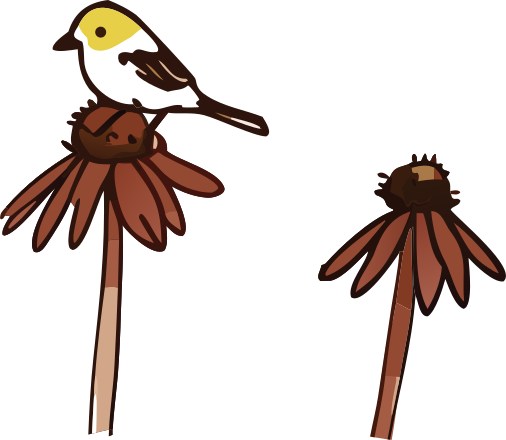
- Seedheads on flowers. Coneflowers, black-eyed Susans and sunflowers feed goldfinches and other birds for months. Cut the old stems down in spring, before new growth starts.
- Hollow stems. Many small native bees spend the winter inside them, which is another reason to leave the flower stalks standing until spring.
- Perennials going dormant. Asparagus ferns stay up until they've yellowed and browned, because they're still sending energy down to next spring's spears. Rhubarb dies back on its own. A plant that looks finished in October may only be dormant, so know which is which before you pull.
- Hardy plants that are still producing. Kale, leeks, Brussels sprouts and parsnips carry on through frost, and several get sweeter for it, so there's nothing to clean up yet. Leeks can stay in until the ground freezes solid. (Here's which plants a frost ends and which it improves.)
Can you compost spent plants?
Healthy ones, yes. That's most of what comes out of a garden in fall, and it makes good compost.
Diseased plants are the exception. Most home compost piles don't get hot enough, evenly enough, to reliably kill plant diseases, so blighted tomato vines or brassica roots with clubroot go out with the trash. If you're not sure, lean toward bagging the nightshades and brassicas, and compost everything else.
How to cover bare soil for winter
Bare soil over winter washes and blows away, and it's where next spring's weeds get their head start. Once a bed is cleared, cover it with something.
- Shredded leaves are free, and they're falling right now. Run the mower over a pile and spread the shreds a few inches deep. Shredded leaves stay put where whole ones mat down and blow around.
- Straw does the same job.
- A cover crop like oats or winter rye, sown on empty ground, holds the soil with living roots. Sow it thinly, since thick sowings tend to fall over.
- Something that's meant to be there over winter. A cleared bed is exactly where garlic goes this fall, mulched 3 to 6 in deep once the ground has cooled. And in some gardens there's still time for the overwintering greens that pause small through the cold and start again in late winter.
When to put the garden to bed
There's no single day for it, because the garden doesn't finish all at once. The basil is gone after the first light frost. The tomatoes and squash go within a night or two of it. The kale and leeks keep going for weeks, and the garlic you plant this fall won't come out until next summer.
So cleanup tends to happen in pieces, a bed at a time, as each thing finishes. That's easier anyway than one exhausting weekend in November.
And if you garden somewhere hot, most of this is the wrong season. Your big cleanup happened when summer finished off the tomatoes, and fall is when your real season starts.
Where Verna fits, and where it doesn't
When a plant in your garden reaches the end of its life, Verna's cleanup step for it is specific to that plant: pull the brassicas roots and all, leave the bean roots in the soil, clean and dry the tomato cages before you store them, leave the coneflower seedheads for the birds. And because Verna keeps track of where each plant is in its life, those steps come along as each thing finishes, a bed at a time.
What it can't do is see your garden. It doesn't know whether your tomatoes had blight this year, so the bag-or-compost call is yours.
The short version
Pull what could carry disease into next year, and bag it if it was sick. Leave the roots that feed the soil, the seedheads that feed the birds, and the perennials that are only going dormant. Then cover whatever's bare.
It's a big job, but it doesn't all have to happen in one weekend.
Quick questions
Should I clean up my vegetable garden in the fall or the spring?
Some of each, depending on the plant. Clear anything diseased and anything that carries pests over, like spent tomatoes, squash vines and brassica roots, in fall. Leave seedheads, hollow stems and healthy perennial foliage standing through winter, and cut them back in spring before new growth starts.
Can I put diseased tomato plants in my compost?
Better not to. Most home compost piles don't get hot enough, evenly enough, to reliably kill plant diseases, so blighted plants can bring the problem back into the garden with the finished compost. Bag them and put them out with the trash. Healthy tomato plants compost fine.
Should I pull up bean plants or leave the roots in?
Cut the plants off at the soil line and leave the roots. Bean and pea roots carry nitrogen-fixing nodules, and leaving them in place adds a little organic matter back to the bed. Compost the tops if they're healthy.
Know what each plant needs as it finishes
Verna keeps track of where each plant is in its life, all the way to cleanup.


Get garden notes in your inbox
Short seasonal notes from Verna on what to plant and do. No spam, and you can unsubscribe anytime.
You're subscribed. See you in the garden.