Plant spotlight
The Two-Year Vegetables: Why Carrots, Beets and Parsley Suddenly Flower
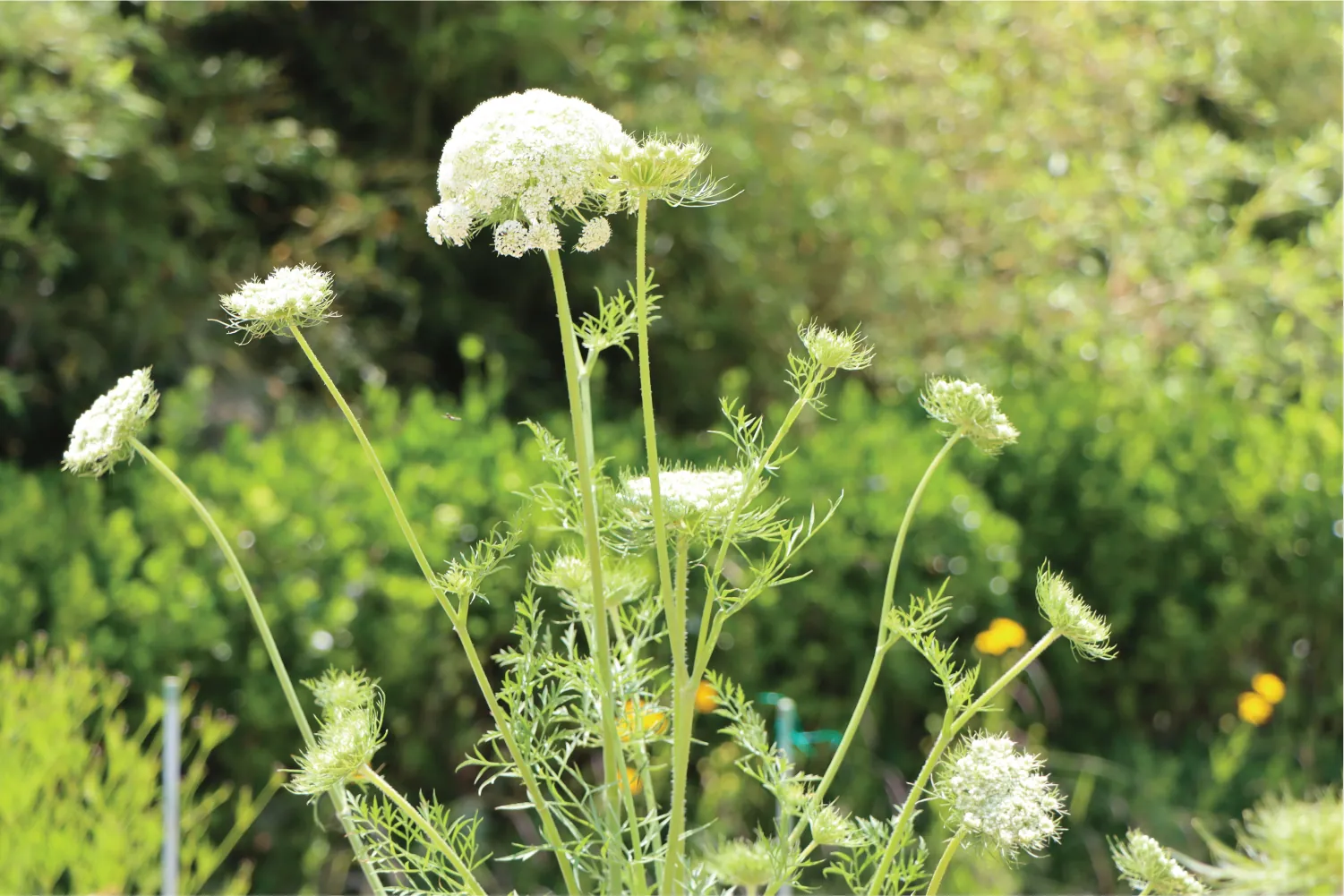
Leave a carrot in the ground over winter and it will start growing again in the spring. The leafy top starts to stretch, a stalk shoots up, and by early summer there's a tall, lacy white flower where your carrot used to be. Pull it up and the root has gone tough and woody.
The carrot was just finishing what it started last year. Carrots, beets, chard, parsley, onions, leeks, cabbage and kale are all biennials, plants built to live for two years. We usually eat them before they get to the second one.
The short answer: carrots, beets, chard, parsley, onions, leeks, cabbage and kale are biennials. In their first year they store energy in a root, bulb or head. After a winter's cold, they spend it on a flower stalk and seed. That's why vegetables left in the ground flower in spring, and why a cold spell can make young plants bolt early.
What is a biennial vegetable?
A biennial takes two growing seasons to finish its life.
The first season is all leaves and storage. A carrot builds its root, an onion builds its bulb, a cabbage builds its head. Then the plant needs a long stretch of cold. That cold is how it knows a winter has passed. When the days warm up and lengthen the next spring, it sends up a flower stalk, sets seed and dies.
The part we eat is where the plant is storing energy to make that flower. It's why the root, bulb or head is so full of sugar and starch, and it's part of why carrots and parsnips taste sweeter after some cold weather. (More on the plants a frost improves.)
The vegetables most often grown this way include:
- Roots: carrots, beets, parsnips, turnips and rutabagas
- Leaves and stems: chard, kale, collards, cabbage, Brussels sprouts and celery
- Alliums: onions and leeks
- Herbs: parsley
Why vegetables left in the ground flower in spring
If you leave carrots, parsnips, beets or leeks in the ground to dig through the winter, they've had their cold by the time spring arrives. As soon as it warms up, they move on to year two.
Leaving them in the ground over winter is fine, as long as you eat them first. A well-mulched carrot can stay sweet in the ground for months, but once the flower stalk starts to lengthen, the plant pulls what's stored in the root up into the stalk, and the core turns woody. So plan to dig the last of your overwintered roots as early in spring as the ground lets you. (Here's what else can stay outside all winter.)
The leafy plants work the same way, and they're more forgiving. Overwintered kale, chard and parsley often put out a burst of fresh leaves in early spring before they flower, which is one of the best harvests of the year. Pick it while it lasts.
Why did my carrots flower in their first year?
Sometimes a biennial flowers months early, in its very first season. That's usually cold again.
Young carrots, beets, onions and cabbage can interpret a long spell of chilly weather as their winter. If they're sown early in spring and a cold snap settles in for a while, the plant may count that as the cold it was waiting for. When the weather warms up, it bolts, a full year ahead of schedule.
Size matters too. A plant has to be big enough before cold counts, which is why large onion sets are more likely to bolt than small ones. (Bulbing itself runs on day length, which is its own story.)
So an early bolt doesn't mean you did anything wrong. A few things can reduce the odds next time:
- Wait out the cold before sowing or transplanting carrots, beets and cabbage, rather than racing to be first.
- Choose smaller onion sets, or grow onions from seed or transplants.
- Look for bolt-resistant varieties, which are bred to need more cold before they flower.
Can you still eat a vegetable that's bolted?
Usually, yes, though it gets less pleasant the further it goes.
- Carrots and parsnips are edible, but once the stalk is up the core gets woody. Dig them the moment you see a stalk.
- Beets are still worth eating if you catch them early, before the root turns fibrous.
- Parsley and chard stop putting out new leaves once the stalk lengthens, and parsley's flavor fades.
- Kale, collards and cabbage have a bonus. The clusters of flower buds they send up in spring are tender and sweet, a lot like small broccoli. Pick them before they open.
Or let one go. A carrot in flower is a lovely thing, and its wide, flat flower heads are full of the tiny wasps and hoverflies that help keep pests in check. When it's done, it's worth deciding what to clear and what to leave.
If you want to save the seed, that's exactly what the plant is trying to do. Just know that carrots cross easily with wild carrot (Queen Anne's lace), and beets and chard cross with each other, so the seed may not come back as the plant you grew.
Where Verna fits, and where it doesn't
For these plants, Verna carries a "watch for bolting" step, and each one is written for that plant: a carrot's root goes woody once the stalk starts to lengthen, so harvest the usable roots as soon as you see it; a partly bolted beet is still worth eating if you catch it early; parsley stops making leaves. And it keeps track of where each plant is in its life, so the step shows up for the plant that's actually in your garden.
What it can't do is decide what a flowering carrot is for. Whether you pull it, eat it or leave it for the hoverflies is up to you.
The short version
Carrots, beets, chard, parsley, onions, leeks, cabbage and kale are built to live two years: one to store up, one to flower. Whatever you're leaving in the ground this winter will head for flower when spring warms up, so dig or pick it before then. And if something bolts in its first summer, a long cold snap was probably the reason.
A carrot that flowers is a carrot doing exactly what it was built to do.
Quick questions
Why did my carrots go to seed?
Carrots are biennials, so they flower after they've been through a long cold period. Carrots left in the ground over winter flower the next spring, and young carrots sometimes flower in their first season if a long cold spell after sowing made them act as if winter had passed. Once the stalk lengthens, the root turns woody.
Can I leave carrots in the ground over winter?
Yes, in many gardens. Cover the row with a thick mulch of straw or leaves and dig them as you need them. Plan to finish them early in spring, though. Once the weather warms, they start to flower, and the roots turn woody.
Are carrots, beets and onions annuals or biennials?
Botanically they're biennials. They live two years, flowering in the second. Gardeners grow them as annuals, harvesting at the end of the first year, which is why the second year comes as a surprise.
Guidance written for each plant
Verna keeps track of where each plant is in its life, and what each one needs now.


Get garden notes in your inbox
Short seasonal notes from Verna on what to plant and do. No spam, and you can unsubscribe anytime.
You're subscribed. See you in the garden.