Garden skills
Getting Seeds to Sprout in Summer Heat
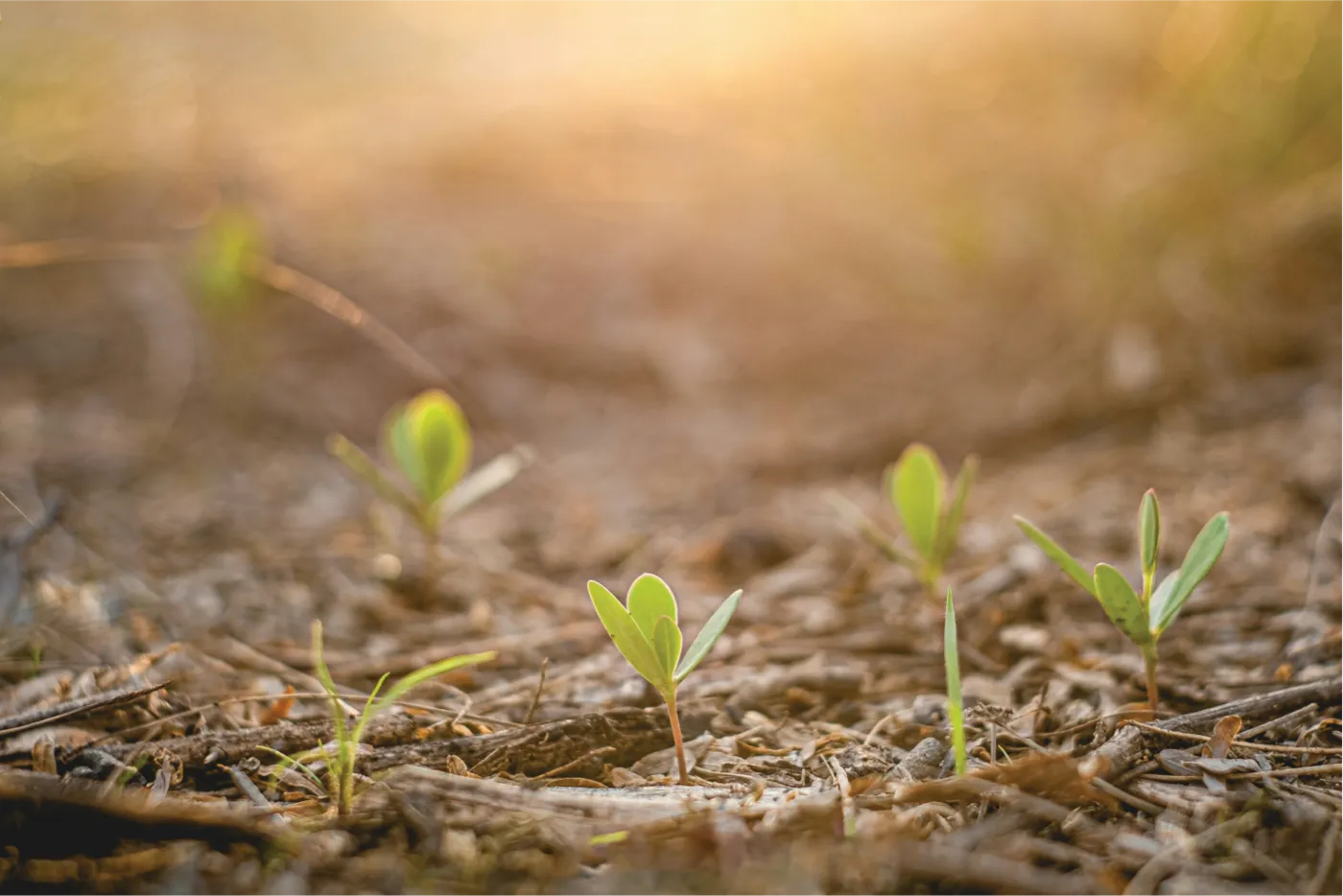
Sowing in summer can feel like nothing happens. You water, you wait, and the row stays bare. Most of the time it is not you and it is not old seed. It is the heat, and there are a few simple ways around it.
The short answer: it's the soil. The surface dries within hours and crusts over, and some cool-season seed, lettuce especially, stops germinating when soil stays much above 80 to 85F. Sow slightly deeper than the packet says, keep the top inch damp until sprouts show, and shade the row until they're up.
It is the soil, not you
A seed needs steady moisture and a workable temperature to sprout, and summer soil fights both. The surface dries within hours of watering, and once it crusts over, tender seedlings cannot push through. On top of that, many cool-season seeds have a built-in brake: lettuce especially, along with spinach and some greens, simply stop germinating when the soil stays much above about 80 to 85F. They are not dead, they are waiting. Knowing that is half the battle, because it tells you what to fix.
Keep the top layer damp, always
This is the big one. Hot soil can dry out in a single afternoon, and a seed that starts to sprout and then dries will not get a second chance. Keep the top inch consistently moist until seedlings appear, which often means a light watering in the morning and again in the late afternoon. A thin cover of straw, burlap, or vermiculite over the row can hold that moisture between waterings.
Sow a little deeper
In spring you sow shallow. In summer, plant slightly deeper than the packet suggests, where the soil holds moisture longer and runs a few degrees cooler. Not by much, just enough to reach steadier ground.
Shade the row until they are up
Lay a board, a plank, or a piece of shade cloth right over the seeded row to keep it cool and slow the drying. Check daily, and the moment you see sprouts, take the cover off so the seedlings get light and do not stretch. Shade cloth on hoops can stay a while longer.
For the fussiest seeds, start them cool
When lettuce simply refuses, you can sidestep the hot soil entirely. Consider sprouting the seed indoors on a damp paper towel in a covered container somewhere cool for a day or two, then sow the ones that have just broken. Or start seedlings in trays in the shade and move them out once they are up. Cooler start, same fall harvest.
The part that depends on your garden
Whether it is even worth sowing now, and how much growing season you have left, depends on your local climate, not a date on a chart. The August and September guides walk that question month by month. That piece Verna works out for your exact spot. These tricks are what get the seeds up once you have decided to sow.
If you are still deciding what to start, our guide to the seeds to sow now for a fall garden covers the what.
Quick questions
Why won't my lettuce seeds germinate in summer?
Lettuce seed has a built-in brake: it goes dormant instead of germinating when the soil stays much above 80 to 85F. The seeds aren't dead, they're waiting. Cool the seedbed with shade and steady moisture, or sprout the seed indoors somewhere cool and sow it just as it breaks.
How do I keep soil moist for germination in hot weather?
Lightly and often beats deep and rare while seeds are sprouting: a morning and late-afternoon watering keeps the top inch damp through a hot day, and a thin cover of straw, burlap or vermiculite holds it between. A seed that starts to sprout and then dries doesn't get a second chance.
See what still has time in your garden
Verna maps sowing, transplanting, and harvest timing to your exact spot.


Get garden notes in your inbox
Short seasonal notes from Verna on what to plant and do. No spam, and you can unsubscribe anytime.
You're subscribed. See you in the garden.