Garden skills
When Is It Actually Ripe? The Signals That Beat the Calendar
Ask a gardener in August what they're unsure about and it's rarely what to plant. It's if the thing in front of them is ready to pick: whether that squash needs another three weeks, whether the cauliflower has gone past, or whether picking a tomato now is jumping the gun or saving it.
The honest answer is that the calendar is close to useless for this, and it was never really designed to help.
The short answer: harvest by the plant, not the packet. Tomatoes yield slightly to a whole-palm press, winter squash rinds resist a fingernail, tomatillo husks fill tight, onion tops fold over on their own, cauliflower is done while the curd is still smooth. "Days to maturity" is an average from someone else's trial garden; the signals are yours.
Why "days to maturity" isn't a harvest date
"Days to maturity" comes from a variety trial, in a good year, in somebody else's soil. It's an average of a plant's typical performance and not a promise about yours. If you have a cool July, a dry stretch, or a shaded corner of the bed, your plant changes its schedule. If you have a perfect warm season with steady water, it'll run ahead.
There's a second problem with the date that's rarely mentioned. The number doesn't count from the same starting point for every plant. In Verna's own plant data, the clock runs from six different places depending on what you're growing. For most vegetables it's counted from seed. For a lot of the ones you'd start indoors, it's counted from the day you transplant. For some it's from the day the seedling actually emerges, which can be a week or more after you sowed. For most fruiting plants it's counted from bloom, so the clock doesn't even start until the flower opens. For perennials it's counted from establishment, in years rather than days. And for a couple of continuous producers there isn't really a finish line at all.
So two packets both saying 60 days aren't measuring the same 60 days, and neither of them is measuring from the day you were standing in the garden with the seeds in your hand.
Every plant has a tell: the ripeness signals
The good news is that your plant is a much better instrument than the packet. Here's what signals to actually look at:
Firmness and give. A tomato is ready when the shoulders have colored and the fruit yields slightly to gentle pressure from your whole palm, not a fingertip. An eggplant should still be glossy, and the flesh should spring back when you press it lightly. Once the skin goes dull or bronze, it's past, and the seeds inside will have gone hard. A cabbage or a head lettuce is ready when it feels firm and dense the whole way across.
Skin and rind. Winter squash and pumpkins are ready when the rind is hard enough to resist a fingernail and the stem has gone dry and corky, not when they look orange. Summer squash and cucumbers run the opposite way: you want them glossy, firm, and honestly smaller than you think, which means checking every day or two once they start.
The husk. A tomatillo is ready when the husk has filled out tight against the fruit. Ground cherries are the loveliest version of this, because they simply drop. When a ground cherry is ripe it lets go, so you harvest by looking at the ground rather than the plant, and the husk is tan and papery with a gold berry inside.
Texture going wrong. Some plants signal readiness by starting to lose it. Cauliflower is at its best while the curd is smooth and tight, and once the surface turns grainy or the florets start to separate, quality drops off fast. Kohlrabi is crisp at a modest size and turns woody past it, even quicker in warm weather.
The plant closing up shop. A few tell you at the whole-plant level. Onion necks soften and the tops fold over on their own, usually most of a planting within a week or two of each other. Potato foliage dies back. Brussels sprouts firm up from the bottom of the stalk upward, so you pick from the bottom and let the top carry on.
Picking too early vs. too late: which one costs
Most gardeners worry about picking too early. But too late is the mistake that actually costs.
A cucumber left an extra few days goes seedy and bitter. A zucchini becomes a marrow with a wooden middle. Eggplant seeds harden. Kohlrabi turns woody. Lettuce and cabbage go bitter. And a cabbage head left sitting after it's matured is liable to split, especially after heavy rain lands on a plant that's been running dry.
There's a knock-on effect too, on anything you pick repeatedly. Beans, cucumbers, summer squash, basil, sweet peppers: leaving one big fruit on the plant is a signal to the plant that its work is done. Picking regularly keeps it going. The harvest and the care are the same job. It's half the logic of succession planting, from the other end.
The weather can move the answer
A dry stretch followed by a big rain is what splits fruit. The plant takes water up fast, the inside swells quicker than the skin can stretch, and it opens. Tomatoes are the classic, beefsteaks worst of all, and mature cabbage heads do the same thing. If a real soak is forecast after a dry run, bringing in anything that's showing color is worth doing. Tomatoes finish perfectly well indoors.
Heat moves the answer the other way. Some plants stall out and pause, so a few hot weeks can put the whole thing behind the number on the packet without anything being wrong at all.
Why signals travel and dates don't
Here's the part that matters if the usual advice never seems to fit where you garden:
A planting date is local to somebody else's garden but a harvest signal isn't local to anywhere. "The rind resists a fingernail" is as true in Phoenix in November as it is in Vermont in September. If you garden somewhere hot, where the northern calendar is not just unhelpful but often backwards, the readiness signals are the one part of standard growing advice you can take at face value.
It's actually a way to think about the whole thing: the date tells you roughly when to start paying attention and then the plant tells you when to go and get a basket.
Where Verna fits, and where it doesn't
Verna carries a harvest window and a harvest method for every plant in it, so it knows the difference between something you cut once, something you pull, and something you'll be picking off the same plant for six weeks. It knows which of those six clocks a given plant's days-to-maturity is running on, and it works the estimate out against your conditions rather than a trial garden's. It also carries the specific readiness signal, in the plant's own harvest guidance.
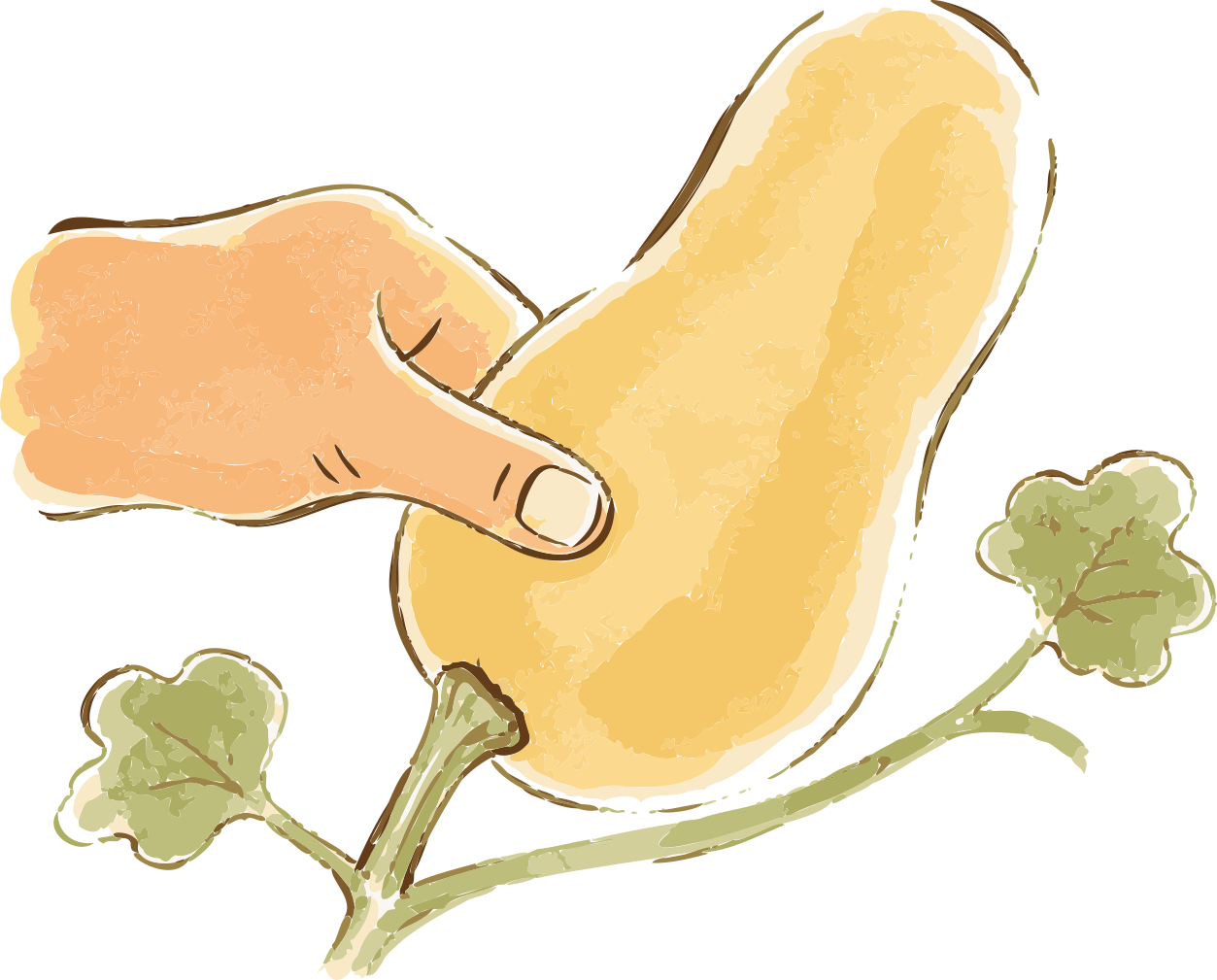
But what Verna can't do is look at your squash. The check is you, in thirty seconds with a thumbnail, and it's the only truly reliable way to know when your plant is ready.
Quick questions
Why are my vegetables taking longer than the seed packet says?
The packet number is an average from a variety trial in a good year, and it doesn't even count from the same starting point for every plant: some clocks run from seed, some from transplant, some from emergence, some from bloom. Cool stretches, drought and shade all slow your plant's own schedule.
How do I know when winter squash is ready to pick?
Check the rind and the stem. A winter squash or pumpkin is ready when the rind is hard enough to resist a fingernail and the stem has gone dry and corky. Summer squash runs the opposite way: glossy, firm, and smaller than you think, checked every day or two.
Is it worse to harvest too early or too late?
Too late costs more, and it's the more common mistake. Cucumbers go seedy, zucchini turns wooden, eggplant seeds harden, lettuce goes bitter, mature cabbage splits after rain. And on plants you pick repeatedly, one big fruit left hanging signals the plant its work is done, so picking keeps production going.
Know when each plant is ready
Verna carries a harvest window and a readiness signal for every plant, timed to your exact spot.


Get garden notes in your inbox
Short seasonal notes from Verna on what to plant and do. No spam, and you can unsubscribe anytime.
You're subscribed. See you in the garden.